
LTL vs. FTL: Which Freight Shipping Option is Right for You?
Understanding Freight Shipping: LTL vs. FTL
Freight shipping is a critical part of logistics management. It supports supply chains for businesses of all sizes. Understanding Less Than Truckload (LTL) and Full Truckload (FTL) helps businesses make informed shipping decisions. It can improve costs, efficiency, and customer satisfaction.
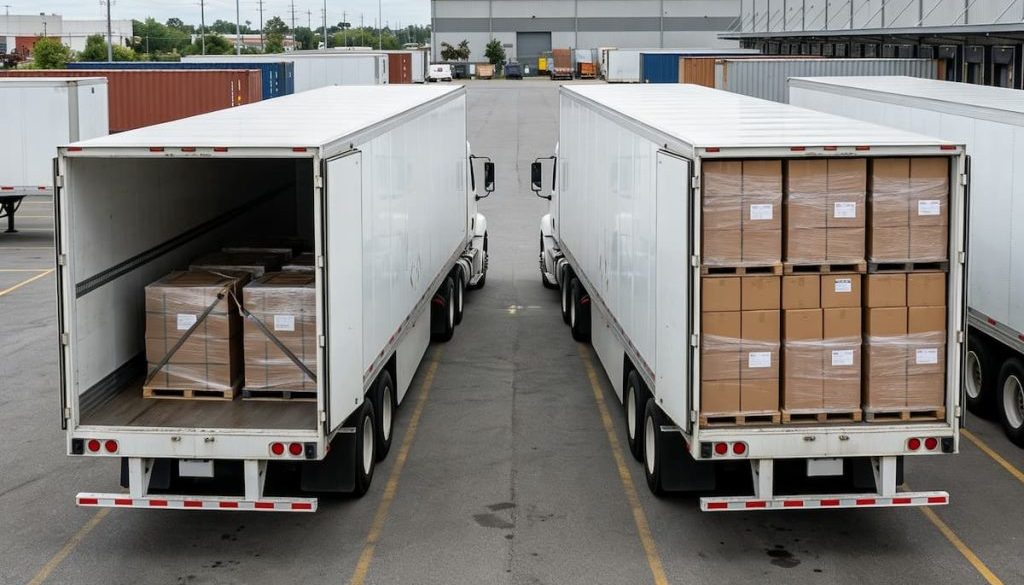
LTL shipping consolidates goods from multiple shippers into a single truck, making it ideal for businesses that do not need an entire truck. By sharing transportation resources, shippers benefit from reduced costs and more frequent delivery schedules. However, because LTL shipments are combined with other loads, they typically require more handling and may take longer to arrive.
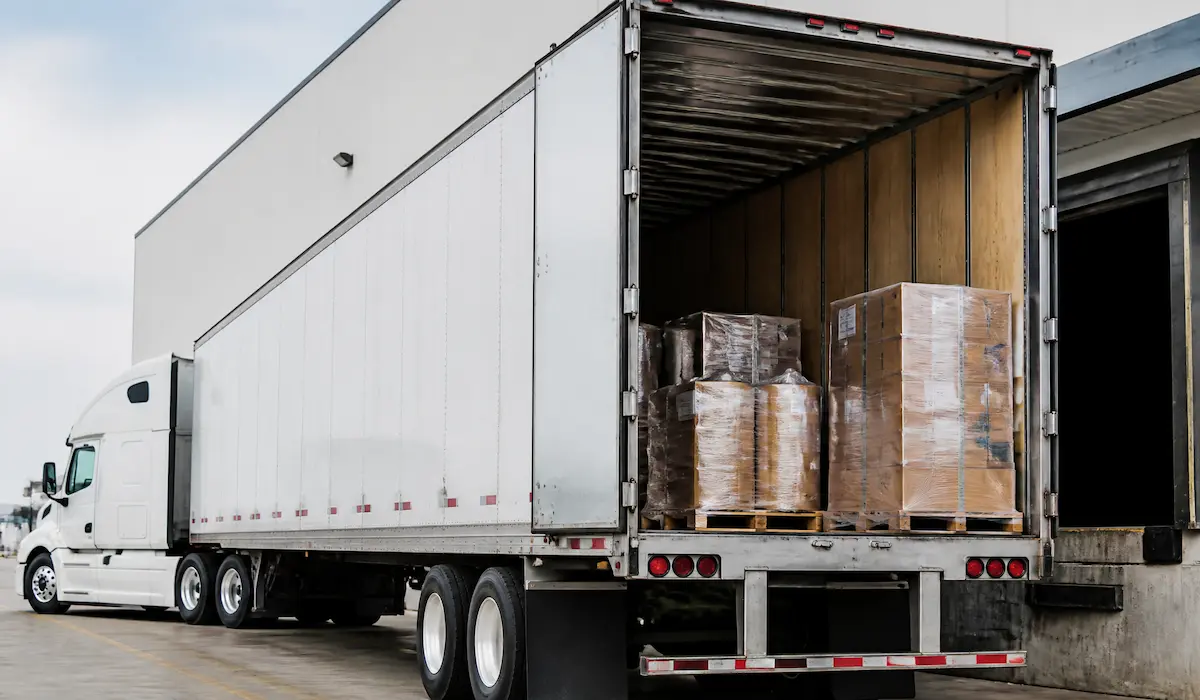
FTL shipping dedicates an entire truck to one shipment. It is typically used for large volumes or high-value goods requiring special handling. FTL offers faster transit times, reduced handling, and increased cargo security.
Key Differences Between LTL and FTL Shipping
LTL shipping allocates space based on volume and weight. Multiple shippers share transportation costs. This approach works well for smaller loads. FTL dedicates the entire truck to one shipper, offering more control over timing and the shipment’s environment.
Transit time also differs significantly. Carriers often transfer LTL goods between multiple trucks and terminals before delivery, increasing transit times and the risk of damage. FTL shipments travel directly from origin to destination. This reduces handling and speeds up delivery.
Pricing structures vary as well. Carriers calculate LTL rates using freight class, weight, dimensions, and distance. traveled, so shippers pay only for the space they use. FTL pricing uses a flat rate for the full truck regardless of how full it is, making it more cost-effective for larger shipments.
Advantages of LTL Shipping
The most notable advantage of LTL shipping is cost efficiency. Sharing truck space reduces shipping expenses. This benefits small and mid-sized companies that do not have enough freight to fill a truck. LTL carriers also offer flexible, frequent schedules so businesses can ship regularly without accumulating a full truckload.
LTL shipping is also more environmentally friendly. Consolidating shipments reduces the number of trucks on the road, lowering fuel consumption and greenhouse gas emissions. Many LTL carriers further this with optimized routing and fuel-efficient vehicles.
Additional services are another advantage. Many LTL carriers offer liftgate delivery, inside pickup and delivery, and residential delivery. Comprehensive tracking systems also give shippers visibility throughout the transportation process.
Advantages of FTL Shipping
FTL shipping’s primary benefit is speed. With the truck dedicated to a single shipment and no intermediate stops, transit times are significantly faster, making FTL the ideal choice for time-sensitive deliveries.
FTL also reduces the risk of damage or loss. With fewer handling points and no consolidation with other shipments, cargo stays in the same truck from start to finish. This provides greater security, particularly for high-value or sensitive goods.
Finally, FTL gives shippers control over the shipping environment. Shippers can specify temperature control, humidity levels, and other special requirements can be specified, which is essential for industries such as pharmaceuticals, food and beverages, and electronics.
When to Choose LTL or FTL Shipping
LTL is the right choice for smaller shipments shipped regularly but in modest quantities. It suits businesses that are not under tight delivery deadlines, want to reduce their environmental footprint, or require value-added services like liftgate or residential delivery.
FTL is better for large shipments, time-sensitive deliveries, high-value goods, or cargo that requires specific environmental conditions during transit. The direct route and minimal handling make FTL the preferred option when speed and security are the top priorities
Cost Comparison and Freight Class
When comparing costs, shipment size is the decisive factor. LTL is more economical for smaller loads, while FTL becomes cost-effective when the shipment fills or nearly fills a truck. Shippers should also factor fuel surcharges, tolls, and accessorial charges into the total FTL cost.
For LTL, freight class plays a significant role in determining the rate. The National Motor Freight Traffic Association (NMFTA) developed the freight class system. Classes range from 50 to 500 and depend on density, stowability, handling, and liability. Lower classes represent denser, less expensive items with lower rates, while higher classes apply to lighter or more valuable goods. Accurate classification is critical to avoid reclassification fees and unexpected delays.
Final Thoughts
Choosing between LTL and FTL shipping depends on your shipment size, budget, delivery requirements, and the type of freight being transported. LTL is a cost-effective solution for smaller shipments that do not require a full trailer, while FTL offers faster transit times, greater security, and more control for larger or time-sensitive loads.
By understanding the differences between LTL and FTL, businesses can make informed shipping decisions that improve efficiency, control costs, and support their supply chain goals.
Looking for reliable freight shipping solutions? Contact Lynx Freight today to find the right LTL or FTL transportation option for your business.