
Choosing the Right Trailer for Your Freight Shipment
Selecting the right trailer is one of the most important decisions in freight transportation. Different types of trailers are designed to handle specific cargo, shipping conditions, and delivery requirements. As a result, using the correct trailer helps protect freight, improve efficiency, and reduce transportation costs.
Whether you are shipping construction materials, temperature-sensitive products, oversized machinery, or palletized freight, understanding the different types of trailers helps you choose the best transportation solution for every shipment.
Why Choosing the Right Trailer Matters
Every shipment has unique transportation requirements. Therefore, selecting the appropriate trailer helps improve safety, maximize cargo protection, and support efficient freight movement.
In addition, the right trailer reduces unnecessary handling, improves loading and unloading, and helps businesses comply with transportation regulations. In addition, Furthermore, choosing suitable equipment can lower shipping costs while improving delivery performance.
Ultimately, working with an experienced freight broker makes it easier to identify the best trailer based on your shipment’s size, weight, and destination.
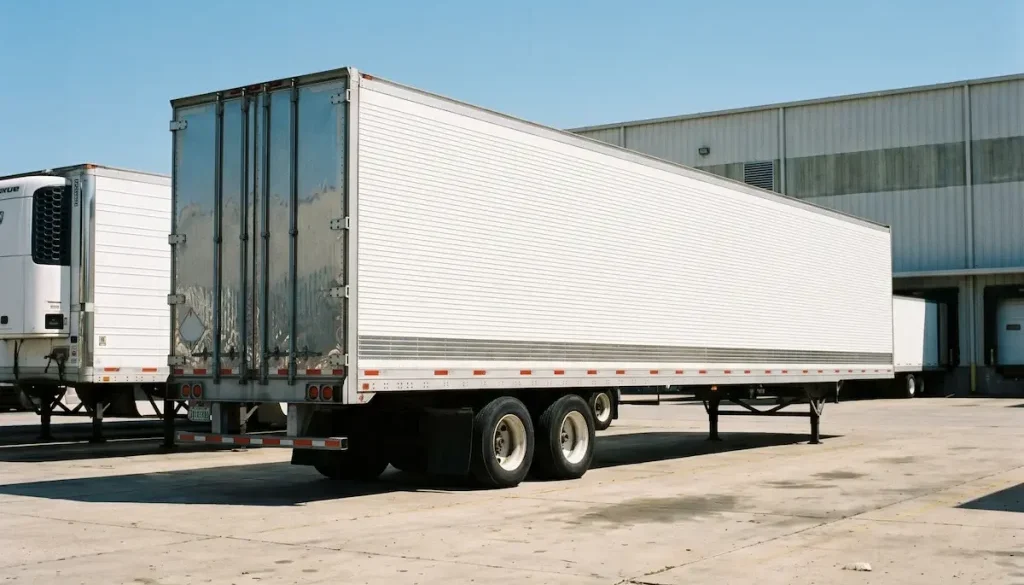
Dry Van Trailers
Dry van trailers are the most common option for general freight transportation. In addition, these fully enclosed trailers protect cargo from weather, road debris, and theft, making them suitable for a wide variety of products.
Businesses commonly use dry van trailers for:
If your freight does not require temperature control, a dry van trailer is often the most practical solution. Additionally, it provides dependable protection throughout the shipping process.
Refrigerated Trailers (Reefers)
Refrigerated trailers, commonly called reefers, transport products that require controlled temperatures. As a result, businesses use them to move temperature-sensitive freight safely and efficiently.
These trailers are widely used for:
Temperature-controlled equipment helps maintain product quality from pickup through final delivery.
Flatbed Trailers
Flatbed trailers have an open deck without sides or a roof. Therefore, they are ideal for freight that cannot fit inside enclosed trailers.
Businesses commonly use flatbed trailers for:
Because freight can be loaded from the top, sides, or rear, flatbeds provide excellent flexibility for oversized cargo.
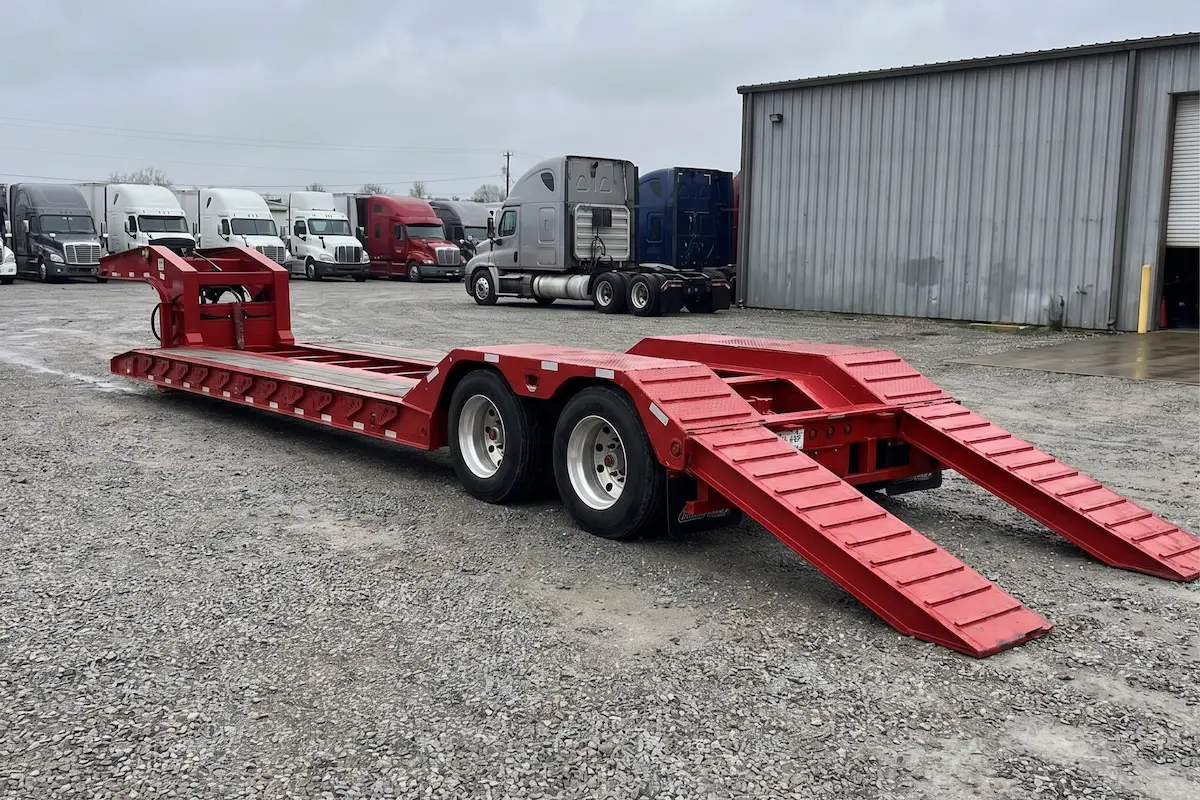
Step Deck Trailers
Step deck trailers, also called drop deck trailers, feature a lower deck than standard flatbeds. As a result, they allow businesses to transport taller freight while remaining within legal height limits.
These trailers are suitable for:
Step deck trailers reduce the need for special permits on many shipments.
Conestoga Trailers
Conestoga trailers combine the advantages of dry vans and flatbeds. As a result, they feature a rolling tarp system that protects cargo while allowing easy loading from the sides or top.
Businesses often choose Conestoga trailers for:
This trailer provides weather protection without sacrificing loading flexibility.
Straight Trucks
Straight trucks, also known as box trucks, have the cargo box permanently attached to the vehicle.
These trucks work well for:
They are easier to maneuver in urban areas and are an excellent choice for shorter routes.
Cargo Vans and Sprinter Vans
Businesses use cargo vans and sprinter vans for smaller, time-sensitive shipments. As a result, they provide fast transportation while allowing access to locations where larger trucks may be difficult to operate.
These vehicles are commonly used for:
Their flexibility makes them valuable for urgent transportation needs.
How to Choose the Right Trailer
Choosing between different types of trailers depends on several important factors.
Before selecting transportation equipment, consider:
Evaluating these factors helps businesses select equipment that supports safe, efficient transportation.
Work with an Experienced Freight Broker
Choosing the right trailer is only one part of successful freight transportation. An experienced freight broker understands equipment availability, carrier capabilities, and shipping requirements.
Instead of guessing which trailer is appropriate, businesses benefit from professional guidance that matches freight with the most suitable transportation solution. As a result, shipments move more efficiently while reducing unnecessary costs and delays.
Final Thoughts
Understanding the different types of trailers helps businesses improve shipping efficiency, protect valuable cargo, and choose transportation equipment that matches their freight requirements.
From dry vans and refrigerated trailers to flatbeds, step decks, Conestoga trailers, and cargo vans, every trailer serves a specific purpose. Selecting the right equipment helps reduce transportation challenges while supporting safe and reliable freight movement.
Looking for a trusted logistics partner or tailored freight solutions? Contact Lynx Freight to discover how we simplify shipping for businesses across the U.S.