
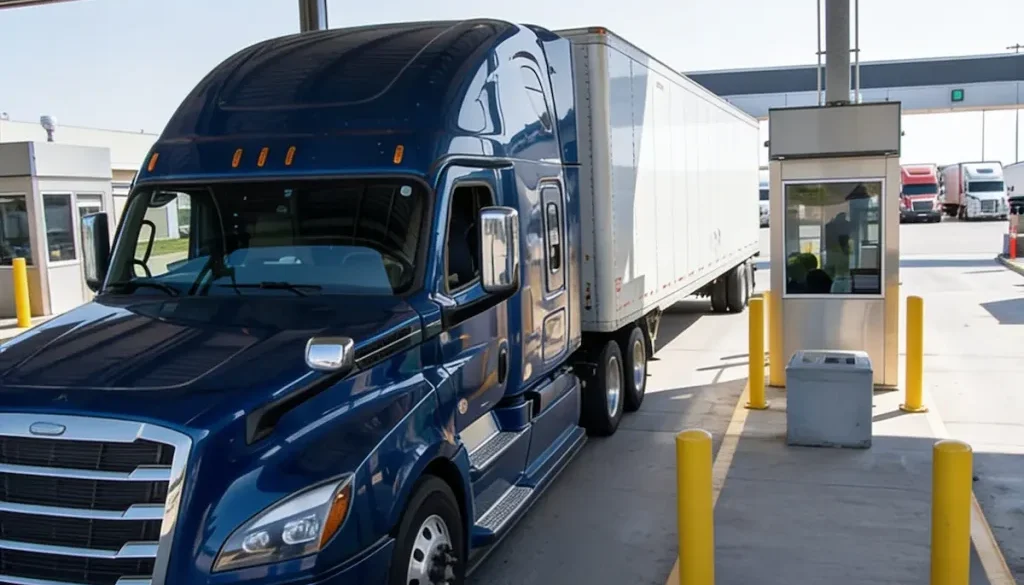
Canada to US Shipping: What Businesses Need to Know About Customs Clearance
Shipping goods from Canada to the United States is a common part of cross-border trade. With thousands of shipments moving between the two countries every day, understanding the customs clearance process can help businesses avoid delays, reduce costs, and keep deliveries on schedule.
Whether you are shipping commercial products, industrial equipment, or retail goods, knowing the basics of Canada to US shipping is essential for a smooth transportation experience.
Why Customs Clearance Matters in Canada to US Shipping
Customs clearance is the process that allows goods to legally enter the United States from Canada. Before a shipment can cross the border, it must meet all customs requirements and include the correct documentation.
Missing paperwork or incorrect information can lead to delays, additional fees, or even shipment holds. Preparing everything properly before shipping helps ensure a faster and more efficient border crossing.
Important Documents for Canada to US Shipping
Proper documentation is one of the most important parts of customs clearance.
Some commonly required documents include:
These documents provide details about the shipment, its value, origin, and destination. Accurate information helps customs officials process shipments without unnecessary delays.
Understanding HS Codes
Every product shipped internationally is assigned a Harmonized System (HS) Code. These codes are used to identify products and determine any duties, taxes, or regulations that apply.
Using the correct HS code is important because errors can result in additional inspections, penalties, or unexpected charges. Businesses should verify product classifications before shipping across the border.
The Role of Customs Brokers
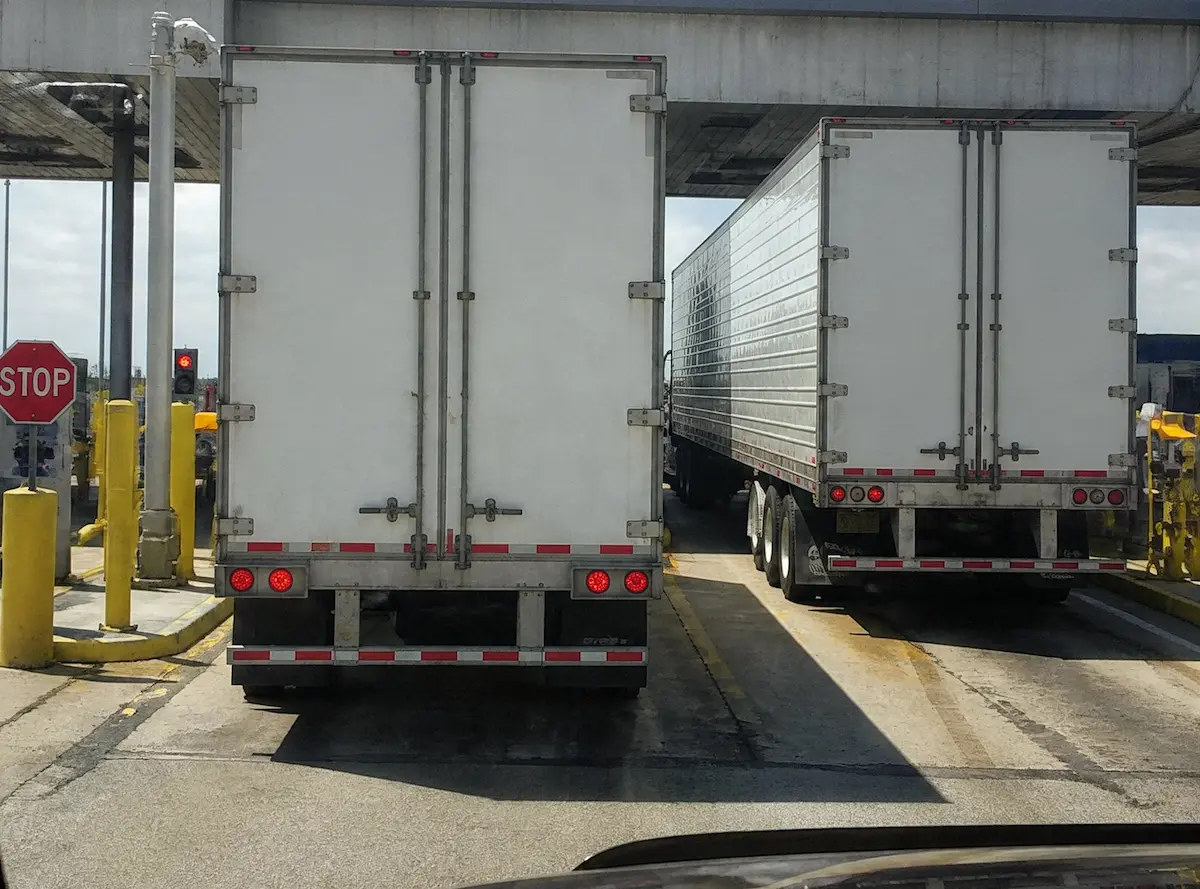
Many companies work with customs brokers to simplify the customs clearance process.
A customs broker helps prepare documents, review shipment information, and ensure compliance with border regulations. Their expertise can help businesses avoid common mistakes and reduce the risk of delays during Canada to US shipping.
For companies that ship regularly across the border, working with a trusted customs professional can save both time and effort.
Duties, Taxes, and Border Fees
Depending on the type of goods being shipped, import duties and taxes may apply when entering the United States.
The amount charged can vary based on factors such as:
Understanding potential costs before shipping allows businesses to plan their budgets and avoid surprises after the shipment reaches the border.
Staying Compliant with Shipping Regulations
Cross-border shipments must follow various regulations related to product safety, labeling, environmental standards, and import requirements.
Regulations can change over time, so businesses should stay informed and review requirements before each shipment. Following the latest guidelines helps prevent customs issues and keeps freight moving smoothly.
Final Thoughts
Canada to US shipping plays an important role in cross-border trade, helping businesses move goods efficiently between two major markets. With proper documentation, accurate HS codes, customs compliance, and careful planning, companies can reduce delays and avoid unnecessary costs during the shipping process.
As cross-border commerce continues to grow, reliable customs clearance and transportation services remain essential for keeping supply chains running smoothly.
Looking for dependable Canada to US shipping solutions? Contact Lynx Freight today for professional cross-border freight and logistics services.