

Common Causes of Freight Delivery Delays and How to Prevent Them
A delivery delay can affect every stage of the freight shipping process, from inventory planning to customer satisfaction. Whether you are moving Full Truckload (FTL), Less-Than-Truckload (LTL), refrigerated freight, flatbed freight, or cross-border shipments, unexpected delays can increase transportation costs and disrupt your supply chain. Fortunately, understanding the common causes of freight delivery delays helps businesses improve shipping performance, reduce disruptions, and keep freight moving on schedule.
Transportation Challenges That Cause Freight Delivery Delays
Transportation plays a major role in keeping freight moving efficiently. However, traffic congestion, road construction, vehicle accidents, and unexpected detours can quickly affect delivery schedules. As a result, even a small delay on the road can create larger disruptions across the supply chain.
Therefore, businesses should focus on planning efficient routes before shipments leave the warehouse. Modern route optimization software helps carriers avoid heavy traffic and identify alternative routes when conditions change. In addition, scheduling pickups and deliveries outside peak traffic hours can improve transit times and reduce the risk of a delivery delay.
With better route planning, businesses can improve reliability and maintain more consistent freight delivery schedules.
Driver Availability and Equipment Reliability
Experienced drivers and dependable equipment are essential for successful freight transportation. However, driver shortages, equipment breakdowns, and unexpected maintenance issues can delay shipments and reduce operational efficiency.
Regular vehicle inspections and preventive maintenance help reduce mechanical failures before they interrupt deliveries. Likewise, maintaining a dependable carrier network allows businesses to respond quickly when additional transportation capacity is required.
Furthermore, investing in qualified drivers and well-maintained equipment supports safer operations while reducing avoidable freight delivery delays.
Weather Conditions Can Affect Freight Deliveries
Weather is one of the few factors that cannot be controlled. Heavy rain, snow, flooding, strong winds, and poor visibility may slow transportation or temporarily stop freight movement to protect drivers and cargo.
Although weather cannot be prevented, businesses can prepare for seasonal challenges. Monitoring weather forecasts before dispatch, allowing additional transit time, and selecting alternative routes help reduce unnecessary disruptions.
In addition, planning ahead during winter storms or hurricane seasons allows carriers to maintain more reliable delivery schedules whenever possible.
Supply Chain Disruptions That Impact Freight Shipping
Not every delivery delay begins on the road. In many cases, disruptions occur earlier in the supply chain. Manufacturing delays, supplier shortages, inventory issues, and port congestion can all affect shipment schedules before freight is even loaded.
Therefore, businesses should maintain regular communication with suppliers, warehouses, and transportation partners. Early visibility into production schedules allows companies to adjust shipping plans before delays become more serious.
As a result, stronger supply chain coordination helps keep freight moving efficiently from origin to destination.
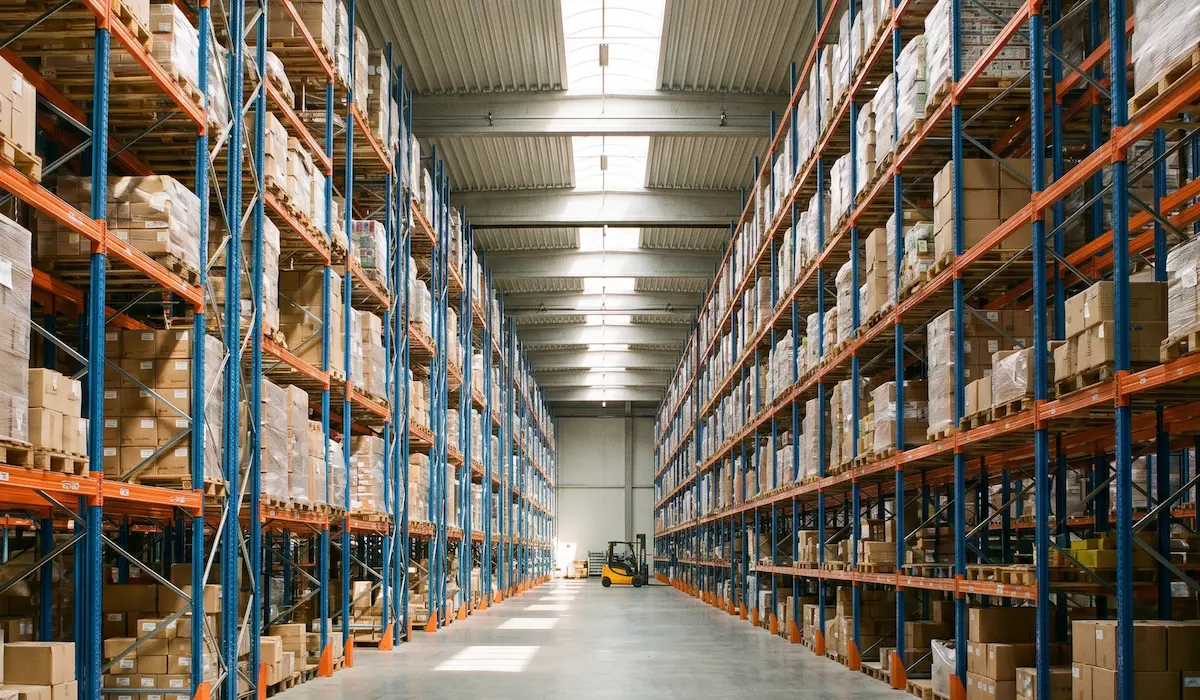
Poor Logistics Planning and Communication
Effective logistics planning is essential for on-time deliveries. However, incorrect shipping information, unrealistic delivery schedules, and communication gaps between warehouses, carriers, and customers often create avoidable delays.
Before dispatch, businesses should verify addresses, shipping documents, appointment times, and freight details. In addition, transportation management systems provide better shipment visibility and allow logistics teams to respond quickly when schedules change.
Clear communication between everyone involved in the shipment reduces errors and improves overall delivery performance.
Customs and Border Processing
International freight shipments require complete documentation and compliance with customs regulations. Missing paperwork or inaccurate shipment information can result in inspections, border delays, and additional transportation costs.
Preparing shipping documents before pickup helps reduce customs processing time. Likewise, partnering with experienced freight brokers and customs specialists helps businesses navigate international shipping requirements more efficiently.
For companies shipping between the United States and Canada, proper documentation is essential for minimizing delivery delays at the border.
Technology Helps Reduce Freight Delivery Delays
Technology continues to improve freight transportation by providing better shipment visibility and communication. GPS tracking, electronic proof of delivery, and transportation management systems allow businesses to monitor shipments in real time.
As a result, dispatchers can identify potential delays early and make adjustments before they affect customers. Furthermore, real-time updates improve communication between drivers, warehouses, and customers throughout the shipping process.
Using modern technology helps businesses make informed decisions while improving delivery reliability.
Best Practices to Reduce Freight Delivery Delays
Businesses can reduce the risk of a delivery delay by following a few practical steps:
Although unexpected situations can still occur, these practices help improve efficiency and reduce avoidable shipping disruptions.
Why Working with an Experienced Freight Broker Matters
Managing freight transportation involves coordinating carriers, schedules, documentation, and customer expectations. Therefore, working with an experienced freight broker can simplify the entire shipping process.
A reliable freight broker helps identify the most efficient routes, connects businesses with dependable carriers, monitors shipments throughout transit, and communicates quickly when unexpected issues arise. In addition, experienced brokers help businesses adjust transportation plans when weather, traffic, or capacity challenges occur.
By partnering with the right freight brokerage, businesses gain greater flexibility, improved shipment visibility, and more reliable delivery performance.
Final Thoughts
A delivery delay can increase transportation costs, interrupt supply chains, and affect customer satisfaction. Fortunately, many freight delivery delays can be prevented through better planning, reliable carrier partnerships, proactive communication, and modern transportation technology.
Businesses that focus on route optimization, preventive maintenance, supply chain coordination, and shipment visibility are better prepared to keep freight moving efficiently. Even small improvements in logistics planning can lead to better delivery performance and stronger customer relationships over time.
Looking for dependable refrigerated freight solutions? Contact Lynx Freight today for professional reefer truck transportation services.