
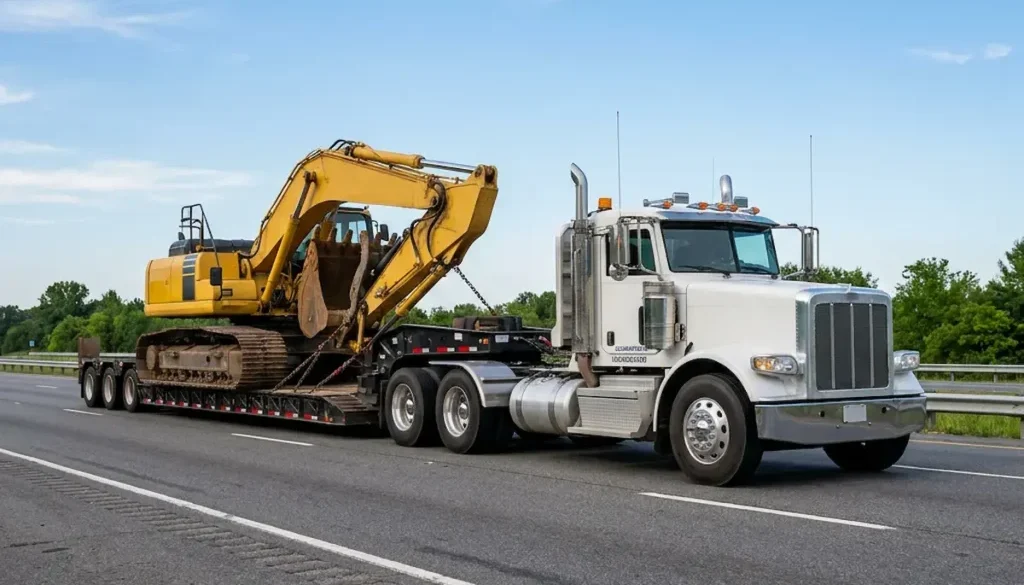
Essential Guide to Safe Heavy Equipment Transportation
Transporting heavy equipment safely is crucial for minimizing risks and avoiding costly accidents. This essential guide covers best practices to ensure secure transportation.
Understanding Heavy Equipment Transportation
Transporting heavy equipment is a task that demands meticulous planning, specialized knowledge, and the right equipment. Machinery such as excavators, bulldozers, cranes, and tractors are essential in construction, mining, and agriculture. However, their massive size and weight make their transportation a complex endeavor. Each stage requires careful consideration of factors such as the type of equipment, distance of transport, route conditions, and regulatory requirements. The complexity increases with the size and weight of the equipment, necessitating specialized transport vehicles like flatbed trailers, lowboys, and multi-axle trucks. Transporters must recognize potential risks like equipment damage, legal liabilities, and environmental hazards.
Importance of Safety in Heavy Equipment Transport
Above all, safety remains the most important aspect of heavy equipment transportation. Ensuring that equipment is transported without incident is crucial for the protection of the machinery and the safety of operators and the general public.
Regulations and Compliance
In addition, compliance with transportation regulations helps ensure safety, protect public infrastructure, and reduce environmental impact.
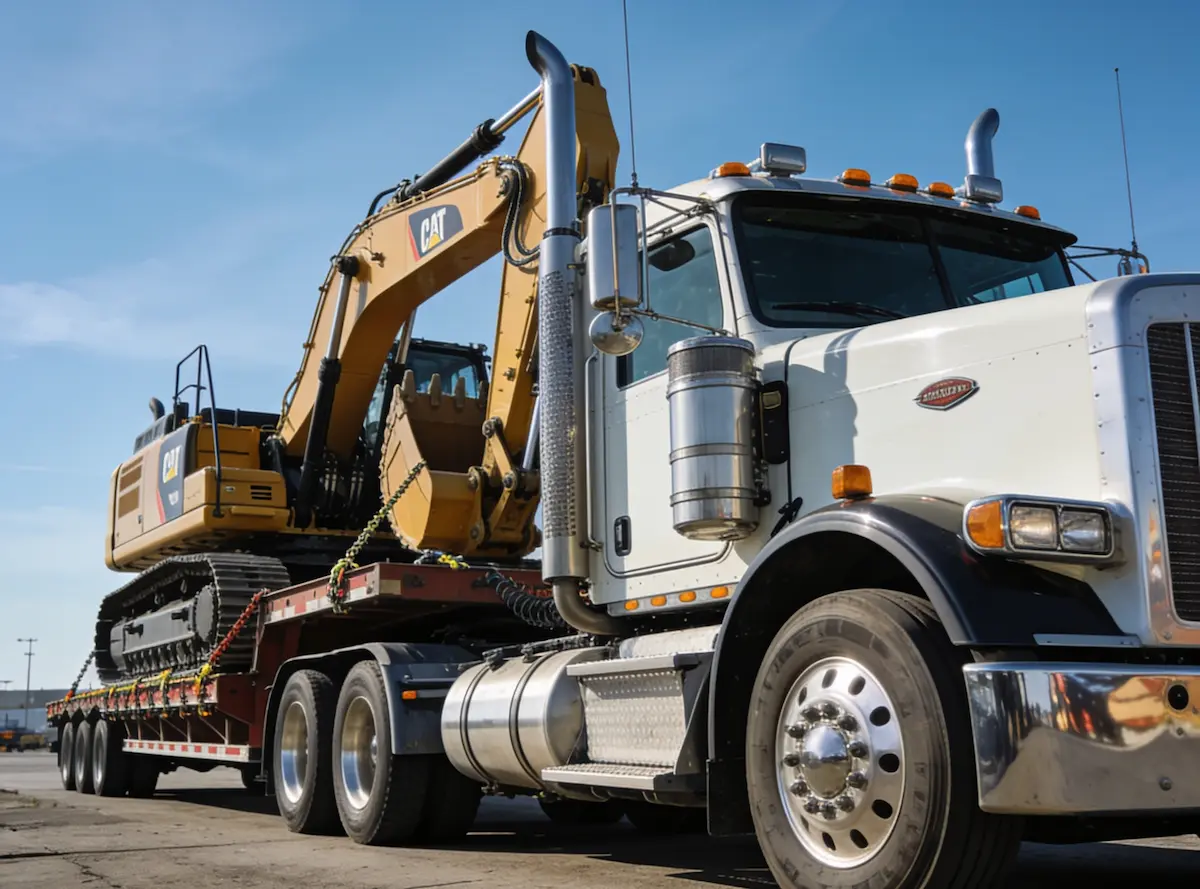
Preparing Equipment and Choosing Methods
Before transport begins, proper preparation helps prevent delays and reduces the risk of damage.
Key Tools and Common Challenges
Furthermore, transporters rely on specialized equipment to secure heavy machinery and maintain stability during transit.
Loading, Unloading, and Liability
Likewise, loading and unloading require careful attention because these stages present significant risks.
Regular equipment inspections and monitoring systems help reduce these risks and improve shipping reliability.
Final Thoughts
Heavy equipment transportation requires careful planning, proper equipment preparation, and strict attention to safety. From route planning and regulatory compliance to secure loading and unloading, every step plays a vital role in protecting valuable machinery and reducing transportation risks.
By following industry best practices and working with experienced transportation professionals, businesses can move heavy equipment safely, efficiently, and with confidence.
Looking for dependable heavy equipment transportation services? Contact Lynx Freight today for safe and professional equipment transport solutions.