
How Flatbed Shipping Supports Industrial Freight Transportation
Flatbed shipping plays an important role in moving industrial freight across a wide range of industries. While standard trailers are suitable for many shipments, certain types of cargo require additional space, flexibility, and specialized handling. Because of this, businesses often rely on flatbed transportation to move large, heavy, and oversized materials safely and efficiently.
As industries continue to grow and projects become more complex, businesses rely on flatbed shipping to transport freight that traditional enclosed trailers cannot accommodate.
Why Flatbed Shipping Is Important for Industrial Freight
Industrial freight often includes cargo that exceeds the size or weight limits of standard transportation equipment. Therefore, businesses need a shipping solution that can accommodate unique dimensions and loading requirements.
Flatbed trailers provide an open deck design that allows freight to be loaded from the top, sides, or rear. As a result, businesses use flatbed trailers to transport steel products, construction materials, heavy machinery, pipes, and other oversized cargo.
In addition, flatbed shipping offers greater flexibility when handling freight that requires special loading equipment or non-standard transportation methods.
Common Types of Freight Moved by Flatbed Trailers
Many industries depend on flatbed shipping to move essential materials and equipment. Some of the most common types of industrial freight include:
Because these shipments often have unique dimensions, companies choose flatbed transportation to move them efficiently.
Benefits of Flatbed Shipping
Flatbed shipping offers several advantages that make it a preferred option for industrial freight transportation.
Key Benefits Include:
As a result, businesses can improve transportation efficiency while ensuring freight is moved safely.
Flexible Loading and Unloading
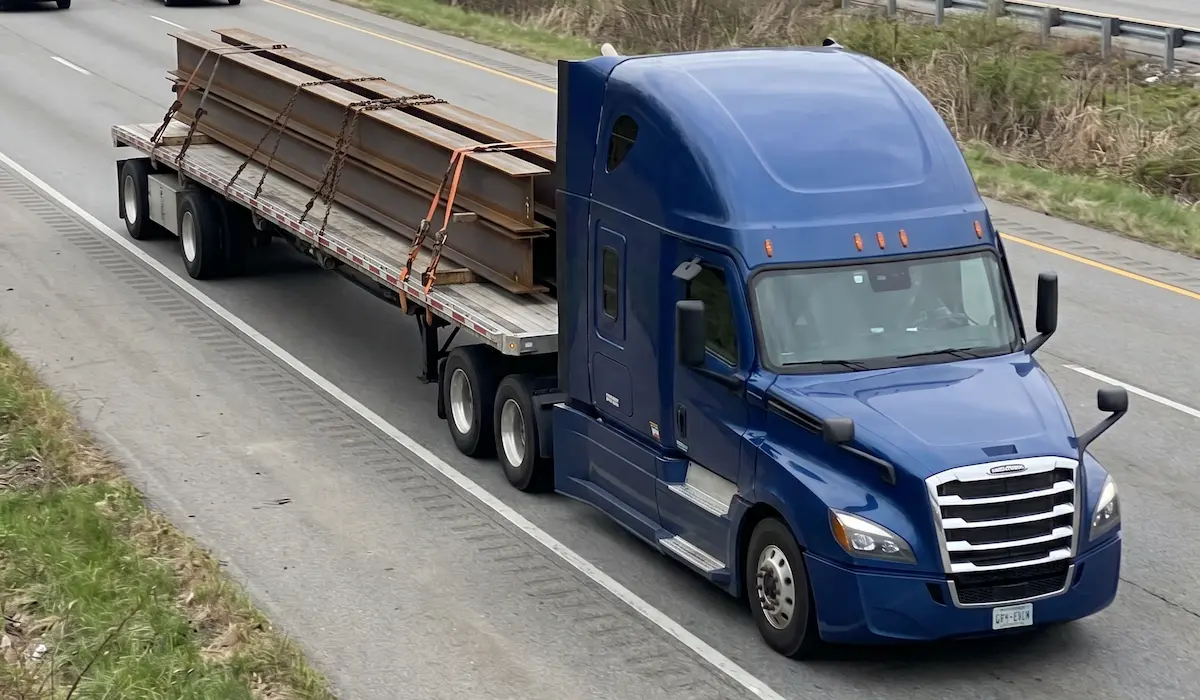
One of the main benefits of flatbed trailers is accessibility. Since there are no enclosed walls or roof structures, freight can be loaded and unloaded from multiple directions.
Therefore, cranes, forklifts, and specialized equipment can be used more efficiently. As a result, loading times are often reduced, helping businesses improve operational efficiency.
Support for Oversized Freight
Many industrial shipments are too large for conventional trailers. Because of this, many businesses choose flatbed shipping when transporting oversized freight that requires additional space and flexibility.
Furthermore, businesses can often transport larger quantities of materials in a single shipment, which may help reduce transportation costs and improve productivity.
Versatility Across Industries
Flatbed transportation supports a wide variety of industries and cargo types. Whether a company needs to move raw materials, construction supplies, or manufacturing equipment, flatbed shipping can adapt to different freight requirements.
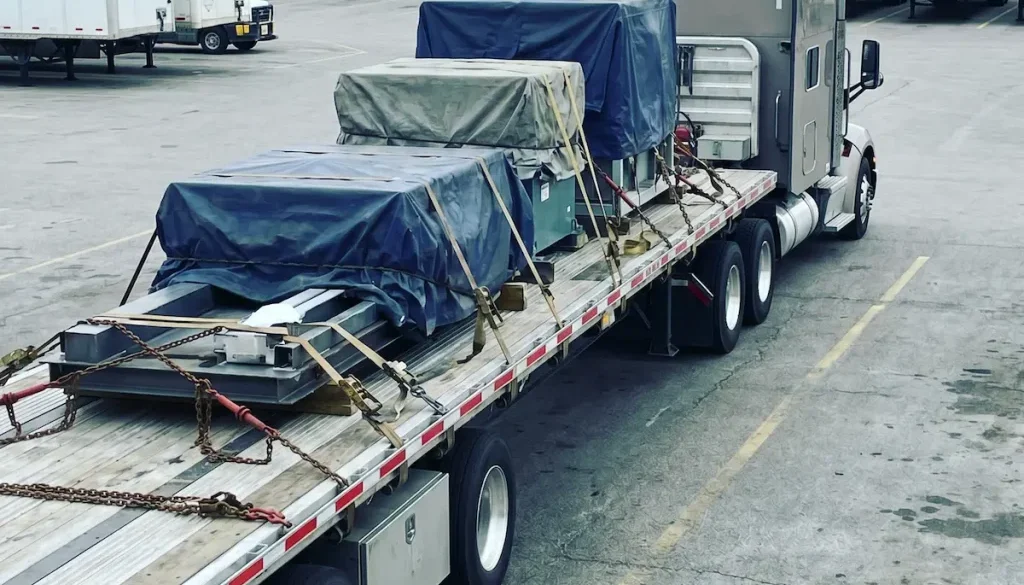
In addition, drivers and freight teams secure cargo with chains, straps, and protective coverings to keep shipments safe throughout transit.
Supporting Specialized and Heavy Freight
Some industrial shipments require additional planning and coordination before transportation begins. For example, oversized loads may require permits, route evaluations, or specialized equipment.
Therefore, businesses should work with experienced logistics providers that understand the requirements associated with heavy and specialized freight. Logistics teams reduce delays and improve transportation efficiency through proper planning.
Additionally, experienced transportation partners help businesses meet regulations and deliver shipments safely.
Improving Supply Chain Efficiency
Flatbed shipping contributes to smoother supply chain operations by simplifying the movement of large and complex freight. Because loading and unloading processes are often faster, businesses can reduce downtime and improve project timelines.
Furthermore, reliable transportation helps maintain a steady flow of materials between suppliers, facilities, and job sites. As a result, companies can improve productivity while reducing disruptions to their operations.
Businesses also combine flatbed shipping with other transportation services to create flexible logistics solutions that support changing business needs.
Choosing the Right Flatbed Shipping Provider
When evaluating a transportation partner, consider:
Therefore, selecting the right provider helps businesses move freight safely, efficiently, and on schedule.
Final Thoughts
Many industries continue to rely on flatbed shipping as one of the most effective transportation solutions for industrial freight. Its ability to handle oversized cargo, support flexible loading methods, and adapt to different shipping requirements makes it an essential part of modern logistics operations.
As businesses continue to move heavy equipment, construction materials, and specialized freight, flatbed shipping provides the flexibility and reliability needed to keep projects moving forward. With the right transportation partner and proper planning, companies can improve efficiency while ensuring their freight arrives safely and on time.
Need a reliable partner for flatbed shipping solutions? Contact Lynx Freight today to learn how our transportation services can support your industrial freight needs.