
Unlocking Efficiency: The Benefits of Intermodal Transportation
Discover how intermodal transportation services streamline logistics, improve efficiency, reduce costs, and support more sustainable freight movement.
Understanding Intermodal Transportation Services
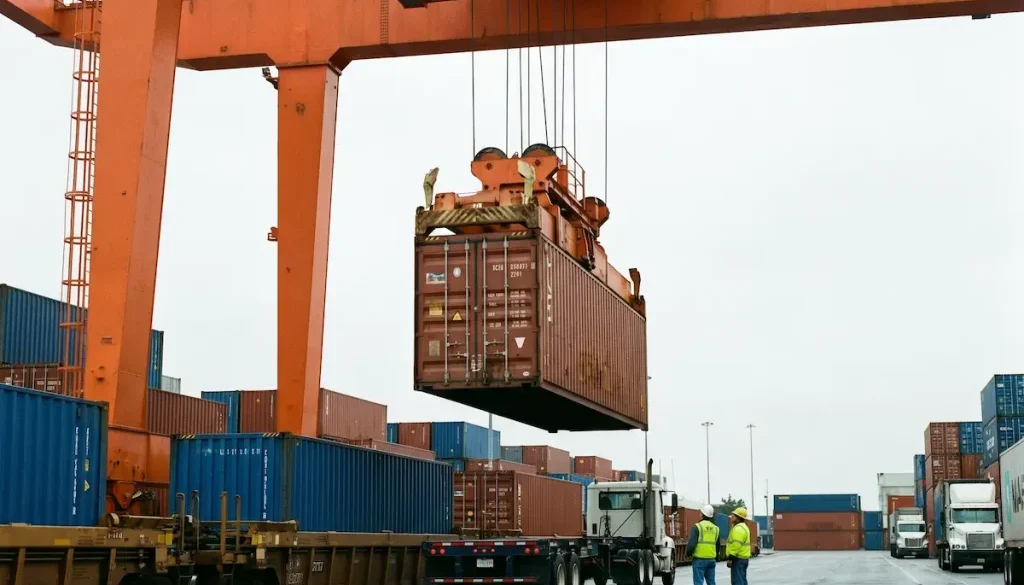
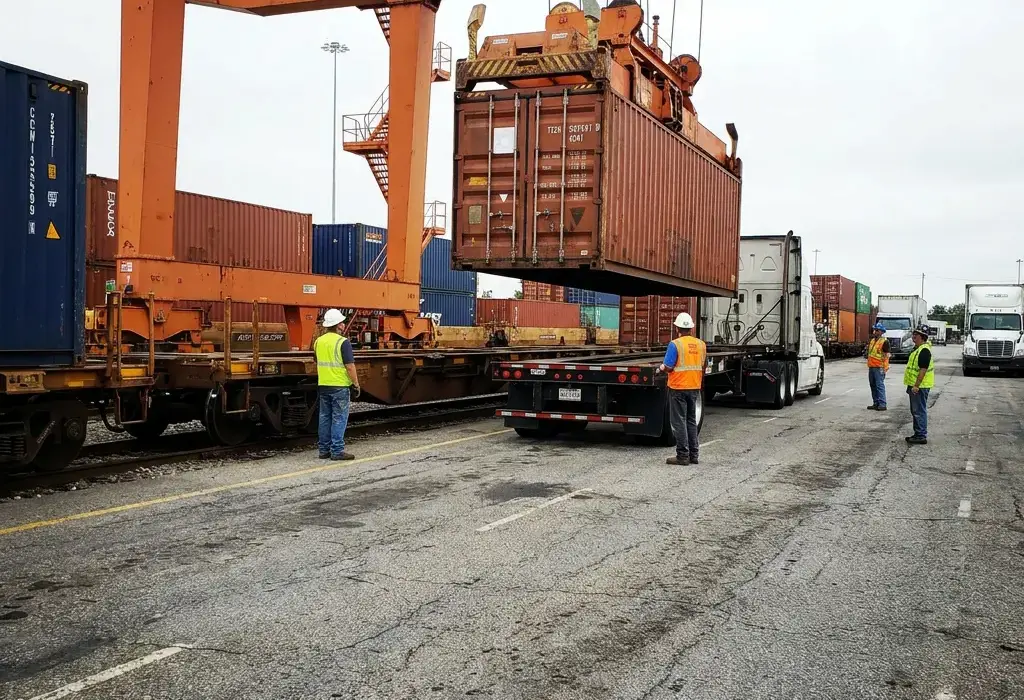
Today, intermodal transportation is pivotal in modern logistics. logistics. It combines multiple forms of transportation, such as trucks, trains, ships, and planes, to move goods efficiently. This process uses standardized containers transferred across different modes of transport without handling the cargo itself. This minimizes delays and reduces damage risks during transit. The backbone is the intermodal container, typically made of durable steel and designed to fit various transport modes. Companies most commonly use twenty-foot and forty-foot containers. Transferring these between trucks, trains, and ships ensures cargo traverses long distances with minimal interruption. In fact, the concept of intermodal transportation has existed for centuries. The advent of standardized containers in the mid twentieth century made the field more efficient and less labor intensive. Today, intermodal transportation services are integral to global trade, supporting entire economies by ensuring that goods are delivered promptly and cost effectively.
Key Benefits and Cost Efficiency
A significant advantage is its ability to streamline logistics by integrating multiple modes. Businesses can optimize routes, reduce transit times, and improve delivery performance. Cost savings are another critical benefit. Trains are ideal for long haul transport due to their fuel efficiency, while trucks are suited for short haul deliveries. Combining these modes achieves significant cost reductions. These substantial financial savings can then be seamlessly passed on directly to consumers, creating a strong competitive advantage in the modern global marketplace.
Cost efficiency also arises from economies of scale. Trains and ships carry large volumes of cargo compared to trucks, allowing for bulk transport that reduces the cost per unit. Direct transportation costs fall, alongside logistical expenses like labor and handling fees. Because carriers transfer containers without unloading cargo, they reduce manual labor requirements. This speeds up the process and lowers insurance premiums.
Environmental Benefits of Intermodal Transportation Services
The environmental benefits are substantial. Trains produce far fewer emissions per ton mile compared to trucks. Incorporating rail transport lowers carbon footprints, aligning with global efforts to reduce industrial emissions. Additionally, intermodal transportation reduces highway congestion. Fewer trucks mean less traffic, lowering emissions from idling vehicles and reducing road wear. Ships and trains are also more energy efficient than trucks and planes over long distances. Adopting these methods helps conserve finite energy resources while meeting logistical needs.
Enhanced Safety and Security
Safety and security offer significant advantages in cargo transport.
Ultimately, intermodal transportation helps create a safer and more efficient transportation network. As a result, both logistics providers and the general public benefit from improved freight movement.
The Role of Technology
Technology plays a crucial role in improving efficiency. For example, tracking and telematics provide real time visibility, allowing for better coordination across the supply chain. In addition, automated systems for container handling, such as cranes and guided vehicles, help speed up transfers and reduce human error at ports. Furthermore, blockchain technology provides a secure way to record transactions, streamline documentation, and reduce the risk of fraud. As a result, companies can improve transparency and operational efficiency. Likewise, smart contracts can automate shipping agreements, reducing administrative costs and minimizing the need for intermediaries.
Challenges and Solutions
Despite its benefits, the industry faces challenges.
Final Thoughts
Intermodal transportation services help businesses improve efficiency, reduce shipping costs, and support more sustainable supply chains. By combining the strengths of trucks, trains, ships, and other transportation modes, companies can move freight more effectively while maintaining safety and reliability.
As technology continues to advance and logistics networks expand, intermodal transportation will remain a valuable solution for businesses seeking cost-effective and flexible freight transportation.
Looking for reliable intermodal transportation services? Contact Lynx Freight today for efficient and dependable freight solutions.