
How to Prevent Freight Damage During Transit
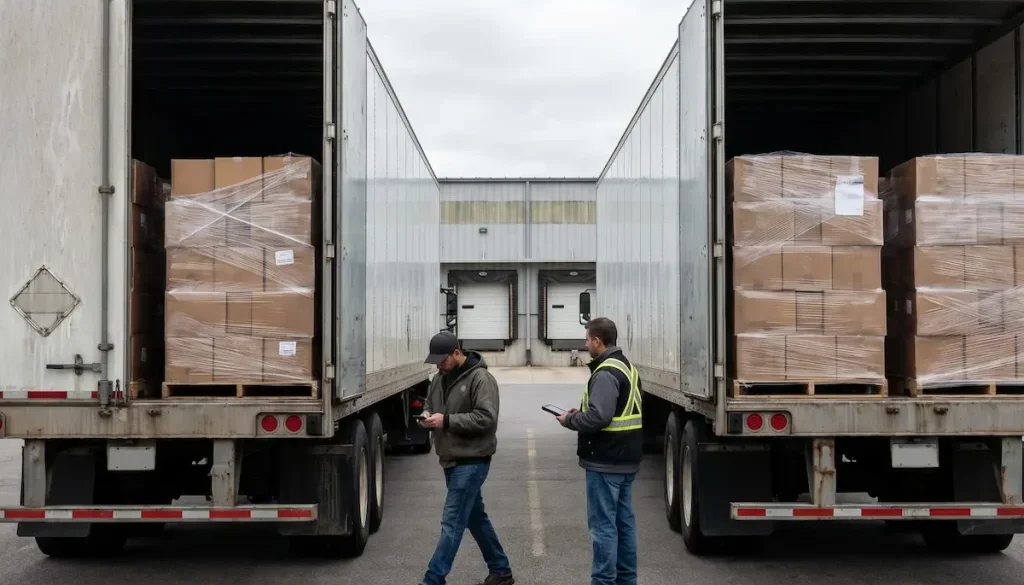
Freight damage is one of the most common challenges businesses face during shipping. Even minor damage can lead to higher costs, delayed deliveries, unhappy customers, and unnecessary freight claims. Fortunately, many of these problems can be avoided with proper planning and the right shipping practices. Understanding the common causes of transit freight damage helps businesses protect their shipments and reduce avoidable losses. Whether you are shipping FTL, LTL, refrigerated freight, or specialized cargo, taking the right precautions helps ensure your freight arrives safely and on time.
Transit freight damage often happens because of poor packaging, improper load securement, weather exposure, or incorrect handling during transportation. However, businesses can greatly reduce these risks by following proven preventive measures. Whether you are shipping FTL, LTL, refrigerated freight, or specialized cargo, taking the right precautions helps ensure your freight arrives safely and on time.
Choose Packaging That Matches Your Freight
Proper packaging is the first line of defense against transit freight damage. Using packaging that is too weak or too large allows products to move during transportation, increasing the chance of damage.
Instead, select packaging based on your freight’s weight, size, and sensitivity. Strong corrugated boxes, wooden crates, reinforced containers, and quality pallets provide better protection throughout the shipping process.
In addition, use protective materials such as foam inserts, bubble wrap, corner protectors, or air cushions to reduce movement inside the package. Proper packaging not only protects your products but also improves overall shipment stability.
Secure Freight Properly Before Transportation
Even well-packaged freight can be damaged if it shifts while the truck is moving. Therefore, securing every shipment correctly is just as important as selecting the right packaging.
Whenever possible, place heavier items at the bottom and lighter items on top. Likewise, distribute weight evenly across the pallet or trailer to improve balance during transportation.
Stretch wrap, load bars, straps, edge protectors, and blocking materials help keep freight stable throughout the journey. As a result, your shipment is less likely to move, tip over, or become damaged during loading, transportation, or unloading.
Protect Freight from Weather and Environmental Conditions
Weather can significantly affect certain types of freight. Moisture, humidity, heat, freezing temperatures, and sudden weather changes may damage products before they reach their destination.
Therefore, evaluate the shipping conditions before selecting transportation equipment. Waterproof covers, moisture-resistant packaging, insulated materials, and protective wrapping provide additional protection against environmental exposure.
Furthermore, products that require temperature control should always be transported using refrigerated trailers to maintain consistent conditions from pickup to delivery. Choosing the appropriate equipment greatly reduces the risk of transit freight damage caused by environmental factors.
Select a Reliable Freight Carrier
Your carrier plays an important role in protecting your shipment. Experienced freight carriers follow proper loading procedures, maintain their equipment, and handle freight carefully throughout transportation.
Before choosing a carrier, review their safety record, service reliability, shipment tracking capabilities, and experience with your type of freight. In addition, look for providers that communicate clearly and offer real-time shipment updates.
Working with a dependable freight partner improves shipment visibility while reducing the likelihood of unnecessary handling mistakes.
Label Freight Clearly
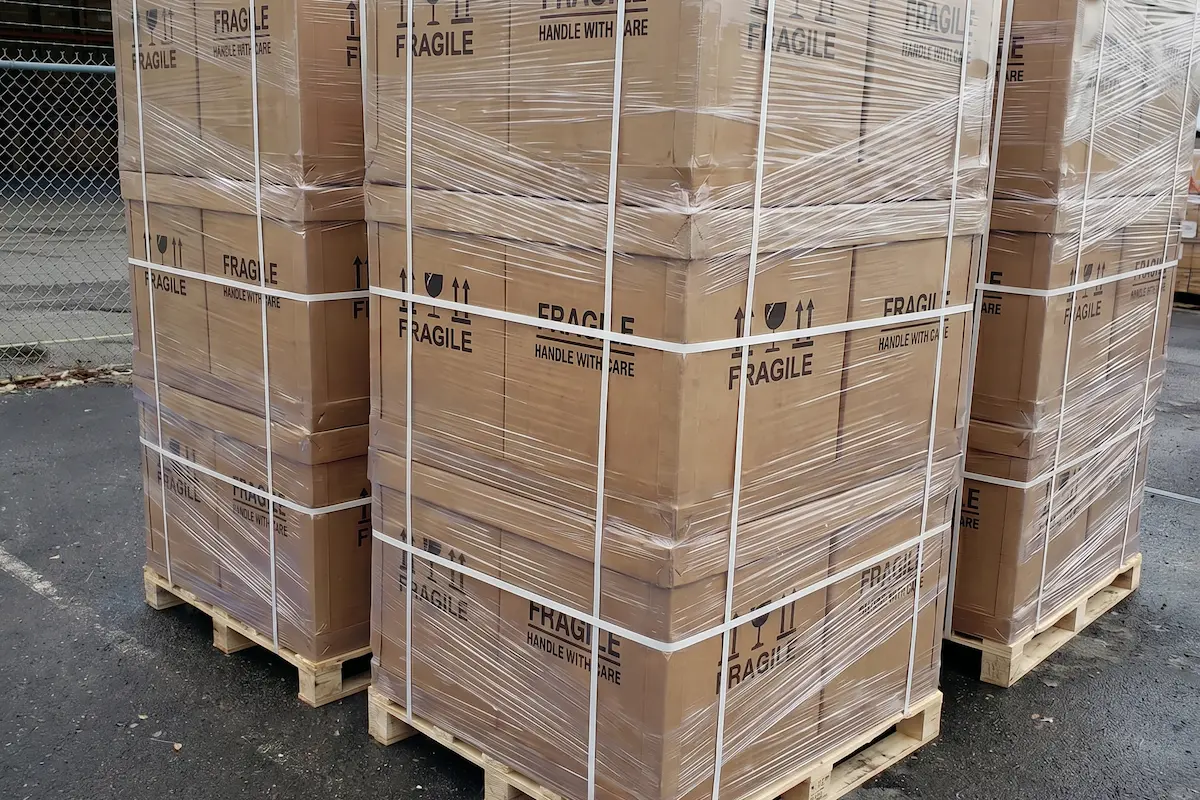
Clear shipping labels help warehouse staff and drivers understand how freight should be handled. Labels such as Fragile, Keep Dry, This Side Up, or Do Not Stack provide important handling instructions throughout the shipping process.
Likewise, accurate shipping labels reduce delivery errors and improve handling efficiency at every transfer point. Although labels cannot prevent every incident, they help minimize avoidable mistakes during transportation.
Inspect Shipments Before Pickup
Before your shipment leaves the warehouse, perform a final inspection. This simple step helps identify packaging issues, damaged pallets, missing labels, or unsecured freight before transportation begins.
Additionally, documenting the shipment with photographs provides valuable records if a freight claim becomes necessary later. A careful inspection only takes a few minutes, yet it can prevent costly problems after pickup.
Consider Freight Insurance for High-Value Shipments
Although preventive measures reduce risk, unexpected situations can still occur during transportation. Severe weather, road accidents, or other unforeseen events may result in shipment damage despite careful preparation.
For valuable or sensitive cargo, freight insurance provides additional financial protection. Reviewing your shipment value before transportation helps determine whether additional coverage is appropriate for your business.
Insurance cannot prevent damage. However, it helps reduce financial losses if unexpected incidents occur.
Final Thoughts
Preventing freight damage starts long before your shipment reaches the road. Proper packaging, secure loading, weather protection, clear labeling, careful inspections, and choosing a reliable freight carrier all contribute to safer transportation.
By following these best practices, businesses can reduce transit freight damage, lower shipping costs, improve delivery performance, and increase customer satisfaction. Small improvements in shipping procedures often make a significant difference in protecting valuable freight throughout the transportation process.
Looking for dependable freight transportation solutions? Contact Lynx Freight today for reliable shipping and logistics services tailored to your business needs.